• Breaking Stereotypes: The Rare Resilience of Women Living Solo

    In a world where societal norms often dictate that women should be reliant on others for their happiness and security, there is a rare breed of individuals who defy these expectations and choose to live solo. These women are independent, strong, and possess a level of knowledge and self-sufficiency that is truly inspiring.

    Living solo as a woman can come with its own set of challenges and obstacles, but those who choose this path do so with a fierce determination and unwavering sense of self. They understand that their happiness and fulfillment does not depend on the presence of a partner or anyone else, but rather on their own abilities and strengths.

    According to a study conducted by the Pew Research Center, the number of women living solo has been steadily increasing over the past few decades. This trend is a reflection of the changing societal norms and the empowerment of women to live life on their own terms.

    Women who live solo are often seen as pioneers, blazing a trail for others to follow. They possess a level of knowledge and understanding of themselves that is truly remarkable. They know what they want, and they are not afraid to go after it. They are not defined by their relationships or their circumstances, but by their own inner strength and resilience.

    These women are truly a rare breed, and their independence and self-sufficiency are qualities to be admired. They show us that it is possible to thrive and flourish on our own, and that we are capable of achieving anything we set our minds to.

    In a world where independence is often equated with strength, women who choose to live solo are a rare breed indeed. These women possess a level of knowledge and inner strength that sets them apart from the crowd. They are not afraid to take on life’s challenges on their own, and they do so with grace and determination.

    Living solo as a woman requires a certain level of confidence and self-reliance. These women are not content to rely on others to fight their battles for them. Instead, they take matters into their own hands and face their fears head-on. They know that they are capable of handling whatever life throws their way, and they do so with a sense of purpose and resilience.

    In contrast, women who constantly need others to fight for them are often seen as weaker and less capable. They may rely on partners, family members, or friends to solve their problems for them, rather than taking control of their own lives. This dependence can leave them feeling powerless and unable to stand on their own two feet.

    But for the solo woman, independence is not just a choice – it is a way of life. These women know that they are capable of achieving anything they set their minds to, and they are not afraid to take risks or step outside of their comfort zones. They possess a level of inner strength that is truly inspiring, and they serve as a shining example of what it means to be truly independent.

    In a society that often tells women they need to rely on others for support and protection, the solo woman stands out as a beacon of strength and resilience. She is a reminder that women are more than capable of taking care of themselves and thriving on their own. So here’s to the solo women – may we all strive to emulate their knowledge, strength, and independence in our own lives.

    The Adventure Machine

    Sources/Further Study:

    https://www.theguardian.com/lifeandstyle/2019/nov/06/consciously-uncoupled-the-joy-of-self-partnership


    https://www.flashpack.com/us/solo/relationships/women-happier-single-men/

    https://www.pewresearch.org/

  • Impact of Meat Consumption on Human Evolution and Intelligence

    Humans and meat have a long and complex history together. The idea of our ancestors hunting and feasting on wild animals may seem primitive to some, but it was a crucial turning point in our evolution. So when did mankind first start to eat meat?

    According to research conducted by archaeologists, the earliest evidence of humans consuming meat dates back to around 2.6 million years ago. Our ancient ancestors, known as Homo habilis, were the first to incorporate meat into their diet. They would scavenge for carcasses left behind by other predators or hunt small animals for sustenance. This shift towards a more carnivorous diet played a significant role in the development of the human brain, providing the necessary nutrients and energy for our brains to grow and evolve.

    But what if mankind had stayed vegetarians, as some believe was originally intended by a higher power? Would we have missed out on the evolutionary advantages that come with eating meat?

    One theory suggests that without the consumption of meat, our ancestors may not have been able to develop the cognitive abilities that set humans apart from other animals. The high protein and fat content in meat provided the necessary fuel for our brains to expand and develop complex cognitive functions. Without this crucial source of nutrients, it’s possible that humans may have remained at a more primitive level of intelligence.

    On the other hand, some argue that a vegetarian diet could have led to a more peaceful and harmonious existence for mankind. Without the need to hunt and kill animals for food, there may have been less violence and conflict in ancient societies. Additionally, a plant-based diet is often associated with better health outcomes, reducing the risk of chronic diseases such as heart disease and cancer.

    Ultimately, the decision to eat meat or not is a personal choice that each individual must make. While the consumption of meat has played a crucial role in our evolution as a species, there are ethical and environmental concerns associated with the meat industry today. It’s important to consider the impact of our dietary choices on both our own health and the health of the planet.

    In conclusion, the decision to eat meat has shaped the course of human history in many ways. Whether it was a necessary step in our evolution or a deviation from a more peaceful existence, the consumption of meat has had a lasting impact on our species. It’s up to each of us to make informed choices about our diets and consider the consequences of our actions on both ourselves and the world around us.

    The Adventure Machine

    Sources/Further Study:

    https://humanorigins.si.edu/evidence/human-fossils/species/homo-habilis

    https://www.ncbi.nlm.nih.gov/pmc/articles/PMC10105836

  • Keeping Pets Calm During Fireworks: Tips for a Stress-Free Fourth of July

    As the Fourth of July approaches, many of us are looking forward to celebrating with family and friends, delicious food, and of course, fireworks. However, while we may enjoy the dazzling displays of color and light, our furry friends often find the loud noises and bright flashes to be very frightening. It is important to take steps to ensure that our pets stay calm and safe during this holiday.

    Safe and Quiet Space

    There are several ways you can help your pets feel more comfortable during fireworks. One of the most important things you can do is to create a safe and quiet space for them to retreat to. This could be a room in your house where they feel secure, or a crate covered with a blanket to block out some of the noise and light. Make sure to provide them with their favorite toys, blankets, and treats to help keep them calm.

    Keep Pets Indoors

    It is also a good idea to keep your pets indoors during fireworks displays. This will help reduce their exposure to the loud noises and prevent them from running away in fear. If you need to take your pet outside for a bathroom break, make sure to keep them on a leash and close to you at all times.

    Use Calming Products

    Additionally, you may want to consider using calming products such as pheromone diffusers or calming treats to help reduce your pet’s anxiety. These products can help create a sense of calm and relaxation for your furry friend during the fireworks.

    Freedom and Independence

    Now, you may be wondering why we feel the need to have fireworks on the Fourth of July. The tradition of fireworks on this holiday dates back to the very first Independence Day celebration in 1777. The fireworks were meant to symbolize the rockets and bombs that were used during the Revolutionary War. Today, fireworks are a way for us to celebrate our freedom and independence as a nation.

    While the Fourth of July is primarily an American holiday, there are other countries that also celebrate their independence with fireworks displays. Countries such as Canada, Australia, and the United Kingdom all have their own Independence Day celebrations that often include fireworks.

    So as we prepare to celebrate the Fourth of July, let’s remember to take care of our furry friends and help them feel safe and calm during the fireworks. By following these tips, we can ensure that our pets have a happy and stress-free holiday.

    The Adventure Machine

    Sources/Further Study:

    https://www.everydayhealth.com/pet-health/how-keep-dogs-safe-during-fireworks

  • Homemade Pasta Without Machine: Easy and Satisfying Recipe

    Pasta is a beloved staple in many households, but for those who don’t have a pasta machine, the thought of making it from scratch can be daunting. However, making pasta without a machine is not only possible, but also surprisingly easy and satisfying.

    Making Pasta Without a Machine

    To make pasta without a machine, all you need is flour, eggs, and a little bit of elbow grease. Start by making a well in the flour and cracking the eggs into it. Use a fork to gradually incorporate the flour into the eggs until a dough forms. Knead the dough for about 10 minutes until it becomes smooth and elastic. Then, roll it out thinly with a rolling pin and cut it into the desired shape.

    Preserving Dried Pasta

    If you’ve made your own pasta and want to preserve it for later use, drying it is a great option. To dry fresh pasta, simply hang it on a drying rack or lay it out on a clean towel until it is completely dry. Once dry, store it in an airtight container in a cool, dry place for up to several months.

    Recipe for Homemade Spaghetti Without Meat

    Ingredients:
    – 2 cups all-purpose flour
    – 2 large eggs
    – 1/2 teaspoon salt
    – 2-3 tablespoons water

    Instructions:
    1. In a large bowl, combine the flour and salt.
    2. Make a well in the center and crack the eggs into it. 
    3. Use a fork to gradually incorporate the flour into the eggs, adding water as needed to form a dough.
    4. Knead the dough for about 10 minutes until smooth and elastic.
    5. Roll out the dough thinly and cut it into spaghetti noodles.
    6. Bring a large pot of salted water to a boil and cook the spaghetti for 2-3 minutes, or until al dente.
    7. Serve with your favorite sauce and enjoy!

    Making pasta without a machine is a fun and rewarding process that allows you to enjoy the delicious taste of homemade pasta without any special equipment. By following these simple steps, you can create your own pasta from scratch and enjoy it for months to come. 

    Sources/Further Study:


    – https://www.thespruceeats.com/homemade-pasta-without-machine-4160003
    – https://www.bonappetit.com/story/how-to-dry-fresh-pasta
    – https://www.foodnetwork.com/recipes/food-network-kitchen/homemade-spaghetti-recipe-2041431

  • Poi: Unleash Creativity, Coordination, and Community Connection

    Poi, a mesmerizing and captivating art form, has been practiced for centuries by cultures all around the world. Originating in the Maori culture of New Zealand, poi involves the rhythmic swinging of weighted objects on a cord in a circular motion. Traditionally, poi was used by the Maori people for strengthening and coordination exercises, as well as for storytelling and entertainment.

    Today, poi has evolved into a modern form of self-expression and movement meditation that is practiced by people of all ages and backgrounds. Whether it be for performance, exercise, or simply for the joy of flow, poi has become a beloved practice for many.

    Benefits

    The benefits of poi are numerous and profound. Not only does it improve coordination, balance, and flexibility, but it also promotes mental focus, relaxation, and mindfulness. The rhythmic movement of poi can be meditative and therapeutic, helping to calm the mind and reduce stress. Additionally, the physical activity of spinning poi can provide a great workout for the body, increasing strength and endurance.

    Art Form

    Poi is not just a physical practice, but also an art form that allows for creative expression and personal growth. The rhythmic and fluid movements of poi can be likened to a dance, allowing practitioners to express themselves through movement and flow. With practice, poi can become a form of self-expression and a means of connecting with others in a unique and beautiful way.

    The practice of poi has grown in popularity in recent years, with communities of poi enthusiasts and performers forming all around the world. Festivals, workshops, and online communities provide opportunities for poi practitioners to come together, share their passion, and learn from one another.

    So, whether you are looking to improve your coordination, find a creative outlet, or simply experience the joy of flow, consider giving poi a try. With its rich history, numerous benefits, and endless possibilities for creativity, poi is truly a beautiful and inspiring practice that has stood the test of time.

    The Adventure Machine

    Sources/Further Study:

    I first became aware of POI on the website https://naturalnews.com. I would like to give credit, but the link is no longer available.

  • Elon Musk’s Block Scheduling Method: Boost Your Productivity Like a Billionaire

    Block scheduling is a time management technique that has been gaining popularity in recent years, and one notable advocate of this method is none other than Elon Musk. The billionaire entrepreneur and CEO of Tesla and SpaceX is known for his incredibly busy schedule, yet he manages to juggle multiple projects and businesses with ease. So, what is block scheduling and how can it benefit your daily grind?

    Block scheduling involves breaking your day into blocks of time dedicated to specific tasks or projects. Instead of jumping from one task to another throughout the day, you allocate a set amount of time to focus solely on one task before moving on to the next. This method allows for deep focus and concentration, ultimately leading to increased productivity and efficiency.

    Elon Musk is a firm believer in block scheduling and has even shared his own time management techniques with the world. Musk reportedly divides his day into five-minute blocks, scheduling everything from meetings to bathroom breaks. By allocating specific blocks of time to each task, Musk is able to stay on track and make the most of his day.

    But what if a small block of time isn’t enough to complete a project? This is where the beauty of block scheduling lies. While it may seem counterintuitive to leave work unfinished, sometimes it’s necessary in order to move on to the next task. By breaking larger projects into smaller blocks of time, you can chip away at them bit by bit, ultimately completing them over time.

    For example, let’s say you have a project that will take 10 hours to complete. Instead of trying to tackle it all at once, you can break it down into two-hour blocks and work on it over the course of a week. This not only allows you to make steady progress on the project, but it also prevents burnout and keeps you motivated.

    By using block scheduling, you can take on multiple projects simultaneously without feeling overwhelmed. It allows you to prioritize your tasks, allocate time for important projects, and maintain a healthy work-life balance. And as Elon Musk has shown, this method can lead to incredible success and productivity.

    I use block scheduling and it has really helped break up tedious projects I have been putting off. Balancing several projects between home, work, self-improvement, pups – at times it seemed overwhelming. Now I find myself getting more done and enjoying the process. I use poster board and different time blocks – 1 hour, 2 hours, half hour, 15 minutes…and so on. This works better for me. I also love the visual and taking the task away when the time is up. It’s a rewarding feeling!

    Don’t overthink the process and just get moving. Cut larger squares from the poster board for your time blocks. Then arrange smaller sized rectangle poster board underneath the time block you want to use for that day. Using this arrangement I overcame the discouragement from not being able to start a task I knew I couldn’t finish in a day. Or starting and not going back to it. Piecing it by time blocks throughout the week, it was incredibly liberating to find myself completing more projects.

    Block scheduling really helps minimize distractions and helps to keep you focused by minimizing being overloaded with goals (adhd hand raise). It is like a race to get things done, but in a good way. Set a timer to keep track of time. I use a simple cooking timer, but I am sure others will use one of their more advanced tech gadgets.

    So, the next time you find yourself struggling to manage your time, consider implementing block scheduling into your daily routine. Start small by blocking out time for your most important tasks, and watch as your productivity soars. Remember, Rome wasn’t built in a day – but with enough blocks of time, you can achieve greatness.

    And remember – each of us is different and different techniques will work with different people. If you want to find a different way though because your technique isn’t working, or you haven’t started one yet – try block scheduling. It will keep you interested and less overwhelmed!

    The Adventure Machine

    Sources/Further Study:

    https://www.deskbird.com/blog/time-block-schedules

    https://www.wired.com/story/block-scheduling-calendar-workflow-productivity

    https://asana.com/resources/what-is-time-blocking

  • Reduce Electronic Waste by Repairing Your Computer | Environmentally Friendly and Cost-Effective

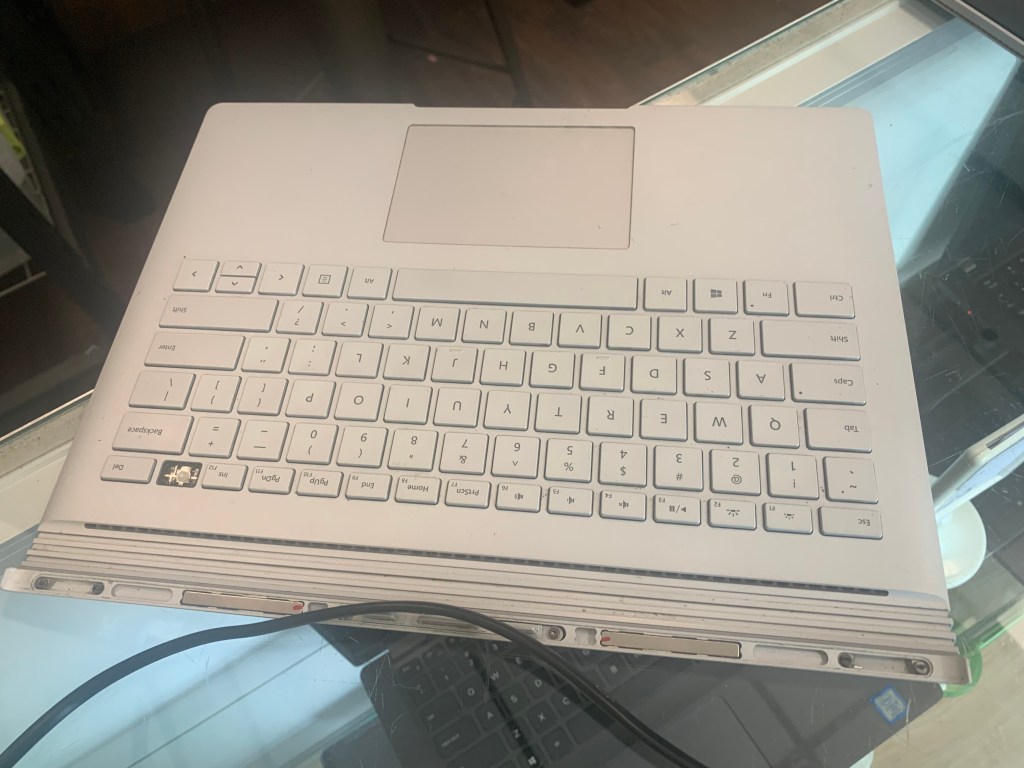
    In today’s digital age, computers have become an essential tool for both personal and professional tasks. From browsing the internet and sending emails to running complex software programs and storing important documents, computers play a crucial role in our daily lives. However, when our computers start to slow down or malfunction, many people’s first instinct is to simply toss them in the trash and buy a new one. This not only contributes to electronic waste, but it is also a waste of resources and money.

    Repairing or using your computer for a specific task is not only environmentally responsible but also economically savvy.

    According to a report by the United Nations University, electronic waste is the fastest-growing waste stream in the world, with an estimated 50 million tons generated each year. By repairing or repurposing your computer, you are helping to reduce the amount of electronic waste that ends up in landfills and pollutes the environment.

    Furthermore, repairing your computer can save you money in the long run. Instead of shelling out hundreds or even thousands of dollars for a brand new computer, a simple repair or upgrade can often breathe new life into your existing device. Whether it’s replacing a faulty hard drive, upgrading the RAM, or cleaning out dust and debris from the cooling system, there are many ways to improve the performance and longevity of your computer without breaking the bank.

    In addition to being environmentally friendly and cost-effective, using your computer for a specific task can also help you make the most of its capabilities. Whether you’re a graphic designer, a video editor, a gamer, or just someone who wants to stay connected with friends and family, there are countless ways to leverage your computer’s power and functionality to enhance your productivity and enjoyment.

    So before you toss your old computer in the trash, consider giving it a second chance by repairing or repurposing it for a specific task. Not only will you be doing your part to reduce electronic waste and protect the environment, but you’ll also save money and unlock the full potential of your computer. Remember, a little TLC goes a long way when it comes to extending the life of your devices.

    The Adventure Machine

    Sources/More Study:


    https://www.un.org/sustainabledevelopment/

    https://www.epa.gov/recycle/electronics-donation-and-recycling

    https://unu.edu

    https://earthdayor.org/

  • The Importance of Sabbath: Embracing Rest and Reflection

    In the book of Genesis, we are reminded of the importance of taking a day of rest. God himself rested on the seventh day after creating the world, setting a powerful example for us to follow. This day of rest, known as the Sabbath, is a time for us to pause, reflect, and rejuvenate our spirits.

    The Sabbath falls on Saturday for many Christians and Jews, while others observe it on Sunday. Regardless of the specific day, the message remains the same – to take a break from our busy lives and dedicate time to our spiritual well-being.

    On a day of rest, we are encouraged to refrain from work and instead focus on activities that bring us peace and joy. This could involve spending time with loved ones, engaging in prayer or meditation, taking a nature walk, or simply enjoying some quiet time alone.

    By honoring the Sabbath, we are acknowledging our need for rest and restoration. In a world that often glorifies busyness and productivity, taking a day of rest can be a radical act of self-care and self-love. It allows us to recharge our batteries, reconnect with our inner selves, and deepen our relationship with the divine.

    So, as you approach the upcoming Sabbath day, I encourage you to embrace it fully. Set aside your to-do list, turn off your electronic devices, and create space for peace and reflection. Remember that rest is not a luxury, but a necessity for our physical, emotional, and spiritual well-being.

    May this day of rest bring you renewed energy, clarity, and a deeper sense of connection to the divine. Embrace it with gratitude and intention, and let it be a source of strength and inspiration for the week ahead

    The Adventure Machine

    References/Further Study:

    https://bibleproject.com/guides/book-of-job

    https://bibleproject.com

    https://bibleproject.com/explore/video/sabbath-video

  • DIY Cleaners: Effective and Eco-Friendly Recipes for Your Home

    Are you tired of spending money on expensive cleaning products that are filled with chemicals? Why not try making your own DIY cleaners that are not only effective but also safe for you and your family? In this article, we will share recipes for a DIY floor cleaner, DIY all-purpose house cleaner, and DIY dish soap that are easy to make and environmentally-friendly.

    First up, let’s talk about the DIY floor cleaner. To make this cleaner, you will need the following ingredients:

    • 1 cup distilled white vinegar
    • 1 gallon of warm water
    • 10-15 drops of essential oil (such as lavender or lemon)

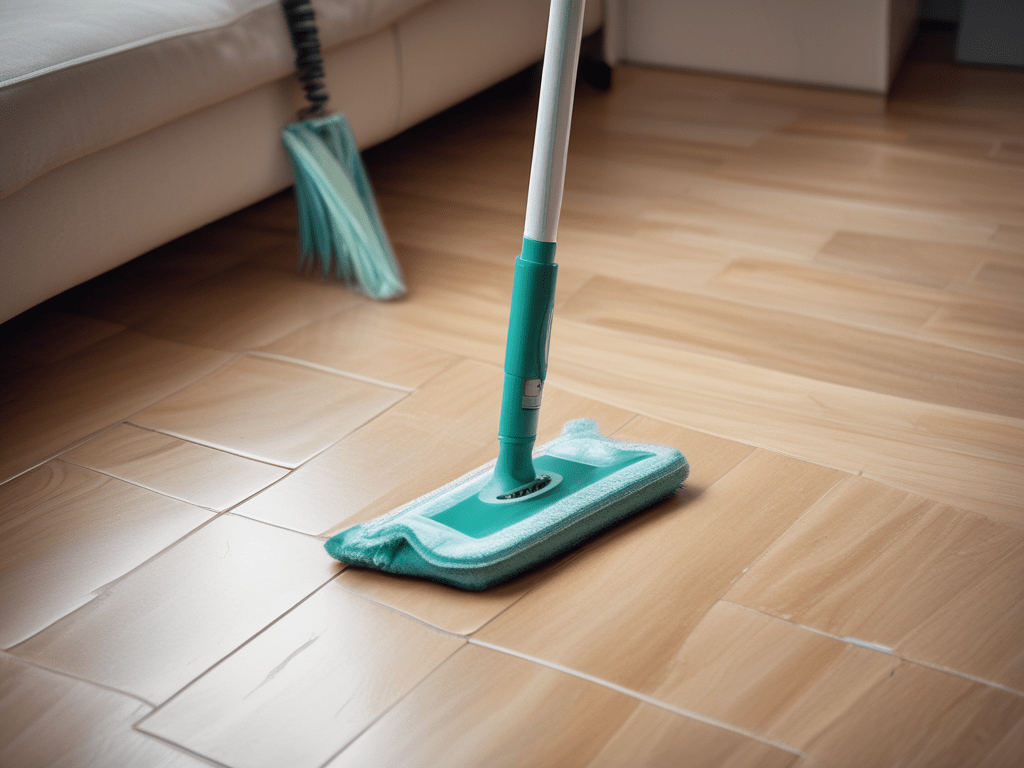
    Simply mix the vinegar, water, and essential oil in a bucket and use a mop to clean your floors. The vinegar will help to break down dirt and grime, while the essential oil will leave your home smelling fresh and clean.

    Next, let’s move on to the DIY all-purpose house cleaner. For this cleaner, you will need:

    • 1 cup distilled white vinegar
    • 1 cup water
    • 1 tablespoon baking soda
    • 10-15 drops of essential oil (such as tea tree or eucalyptus)

    Mix the vinegar, water, and essential oil in a spray bottle, then add the baking soda and shake well. This cleaner can be used on countertops, sinks, and even windows for a streak-free shine.

    Lastly, let’s talk about DIY dish soap. To make your own dish soap, you will need:

    • 1 cup castile soap
    • 1 cup water
    • 1 tablespoon baking soda
    • 10-15 drops of essential oil (such as peppermint or citrus)

    Mix the castile soap, water, and essential oil in a squeeze bottle, then add the baking soda and shake well. This dish soap is gentle on your hands and tough on grease, making it the perfect solution for your dirty dishes.

    Not only are these DIY cleaners effective and safe for your family, but they are also budget and environmentally friendly. By making your own cleaners, you can reduce your carbon footprint and create a healthier home for you and your loved ones.

    The Adventure Machine

    Sources/More Study:

  • Structured Water: Nature’s Essential Hexagonal Hydration

    Structured water is a term that is gaining popularity in the health and wellness community as an essential component for optimal hydration and overall well-being. This type of water is believed to have a more organized molecular structure, making it easier for our bodies to absorb and utilize its benefits.

    So, how do we get structured water? The answer lies in the way water is naturally found in nature – flowing in rivers and streams, cascading down waterfalls, and even in snowflakes. This structured water is said to have a hexagonal molecular structure, which is believed to be the most beneficial form for our bodies.

    But fear not, we can also create structured water right in the comfort of our own homes. One way to do this is by using crystals such as quartz or amethyst, which are known for their ability to structure water molecules. By placing a crystal in a container of water and allowing it to sit for a period of time, the water will begin to take on the structured form.

    There are also devices available on the market specifically designed to create hexagonal water. One popular example is the Vitalizer Plus, which uses a combination of vortex motion, magnetic fields, and infrared energy to structure water and enhance its health benefits. These devices can be easily purchased online or at health food stores.

    “Water is the driving force of all nature. When we take the time to structure our water and infuse it with positive energy, we are not only nourishing our bodies but also connecting with the natural rhythms of the universe.” Floyd E. Bloom

    So, let’s raise a glass of hexagonal structured water and toast to our health and vitality. Cheers to the power of structured water and its ability to support our DNA and overall well-being!

    The Adventure Machine

    Sources/More Study:

    https://www.structuredwaterunit.com/

    https://mayuwater.com/a/s/blog/how-to-make-structured-water


    https://youtu.be/CZKR4WLALJw?si=vtORdiTgeaiguw5n