• Homemade Camping Potpourri: Capture the Scent of the Wilderness

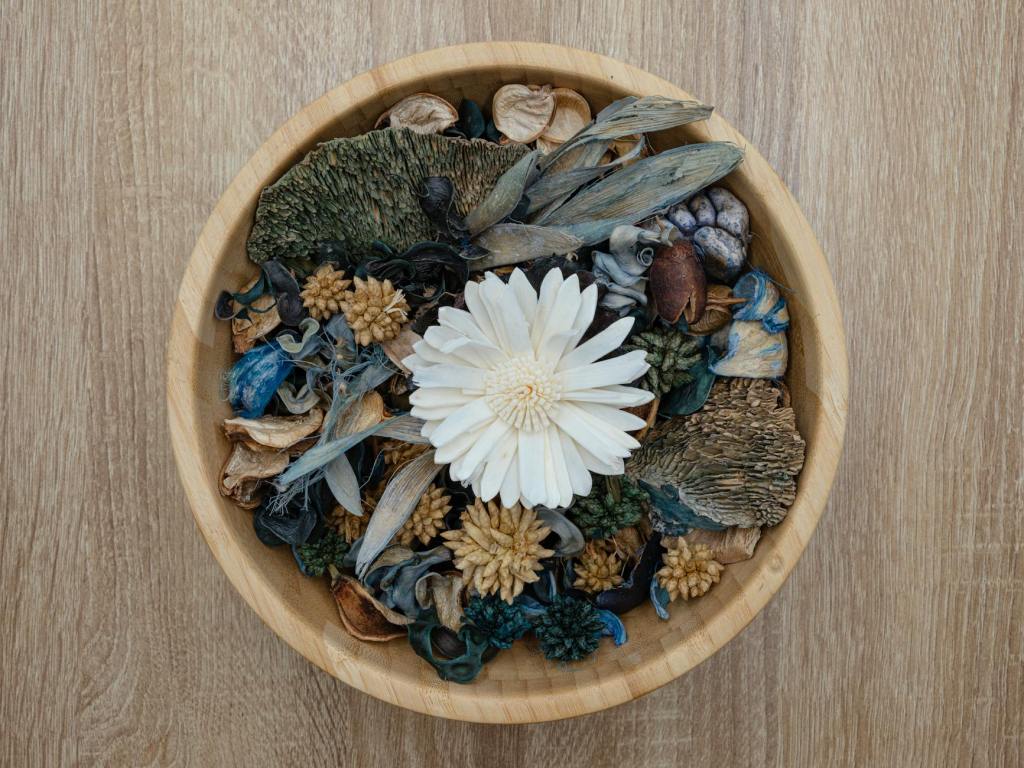
    There’s nothing quite like the scent of the great outdoors, especially when you’re out camping in the wilderness. The fresh air, the pine trees, the crackling campfire – it all adds up to a delightful aroma that you just can’t get anywhere else. But what if you could capture that essence and bring it home with you? With a little creativity and some basic materials, you can create your very own homemade potpourri using items you gather while camping.

    One of the best things about camping is the abundance of natural materials that surround you. Pine cones, dried flowers, herbs, and even citrus peels can all be used to make a fragrant potpourri that will remind you of your outdoor adventures long after you’ve returned home. The key is to collect these items as you explore the woods and meadows, taking care to only pick what is abundant and leaving the rest for the wildlife.

    Once you’ve gathered your materials, it’s time to put them to good use. Start by drying out any fresh herbs or flowers by hanging them upside down in a warm, dry place for a few days. This will help preserve their scent and prevent them from molding. Next, gather your pine cones and citrus peels and lay them out on a baking sheet in a single layer. Place them in a warm oven (around 200 degrees Fahrenheit) for about an hour to help release their natural oils and aromas.

    Once your materials are dried and ready to go, it’s time to assemble your potpourri. Mix together your dried herbs, flowers, pine cones, and citrus peels in a large bowl, adding in a few drops of essential oils if desired for an extra boost of fragrance. Toss everything together gently to combine, then transfer your potpourri to a decorative jar or bowl.

    Not only does homemade potpourri make a lovely addition to your home decor, but it also serves as a great reminder of your camping trip and the natural beauty you experienced while out in the wilderness. So next time you’re out exploring the great outdoors, don’t forget to gather a few extra souvenirs to bring home and create your very own custom potpourri. The scents of the forest will thank you!

    The Adventure Machine

    References/Further Study:

    https://youtu.be/nZU5ja1rqbE?si=gYnkR0qqup_Hwyb7

    https://www.bobvila.com/articles/how-to-make-potpourri

  • The Power of Manifestation: Understanding the Law of Attraction

    Have you ever experienced a moment where something you desired or thought about suddenly manifested in your life seemingly out of nowhere? These moments, often dismissed as coincidences, are actually powerful manifestations of our thoughts and desires. This phenomenon is at the core of the Law of Attraction, a concept popularized by the book and film “The Secret.”

    The Law of Attraction states that like attracts like, meaning that our thoughts and feelings have the power to attract similar experiences into our lives. By focusing on what we want and visualizing it as if it has already happened, we can manifest our desires into reality. This process is not magic or wishful thinking; it is a powerful tool that, when properly understood and utilized, can bring about profound changes in our lives.

    Coincidences, often dismissed as mere chance, are actually manifestations of our thoughts and desires aligning with the universe. As author and spiritual teacher Deepak Chopra puts it, “Coincidences are not accidents but signals from the universe which can guide us toward our true path.” When we are in alignment with our desires and intentions, the universe conspires to bring about the opportunities and events necessary to make them a reality.

    So how can we manifest more in our lives? The key lies in our beliefs, thoughts, and emotions. By cultivating a positive mindset, focusing on what we want rather than what we don’t want, and practicing gratitude for what we already have, we can create a powerful energetic vibration that attracts more of the same into our lives.

    In the Bible, Jesus speaks of the power of faith and belief, saying, “If you believe, you will receive whatever you ask for in prayer” (Matthew 21:22). This powerful message underscores the importance of faith and belief in the manifestation process. When we believe in the possibility of our desires coming true and trust in the universe to deliver them, we open ourselves up to endless possibilities.

    As we delve deeper into the world of manifestation, let us remember that coincidences are not random occurrences but manifestations of our thoughts and desires. By harnessing the power of the Law of Attraction, we can unlock our true potential and create the life of our dreams. So, believe in the power of manifestation, trust in the universe, and watch as your desires unfold before your eyes.

    In the words of author and speaker Wayne Dyer, “When you change the way you look at things, the things you look at change.” So, change your perspective, believe in the power of manifestation, and watch as the universe conspires to bring your desires to life. Trust in the process, have faith in yourself, and let the magic of manifestation guide you on your journey to a life filled with abundance, joy, and fulfillment.

    The Adventure Machine

    References/Further Study:

    https://en.wikipedia.org/wiki/Law_of_attraction_(New_Thought)

    https://www.linkedin.com/pulse/unveiling-mysteries-exploring-5-laws-attraction-vydhc

  • Summer Styling: How to Beat the Heat with Layering and Long Sleeves

    When it comes to dressing for the heat, most people instinctively reach for their shortest shorts and breeziest tank tops. But what if I told you that layering clothing and wearing long sleeves can actually help keep you cool in the scorching summer sun? Yes, you heard me right – layering up can help you beat the heat!

    Layering clothing is a tried-and-true method for regulating body temperature in all kinds of weather conditions. By wearing multiple lightweight layers, you create small pockets of air between each garment that act as insulation, helping to keep you cool in hot weather and warm in cold weather. Plus, if you start to feel too hot, you can easily shed a layer or two to cool off.

    But what about wearing long sleeves in the heat? It may sound counterintuitive, but long sleeves can actually provide protection from the sun’s harmful UV rays, preventing sunburn and reducing your risk of skin cancer. In addition, long sleeves can help wick away sweat from your skin, keeping you dry and comfortable on even the hottest days.

    So, how can you effectively layer up and wear long sleeves without overheating? Start by choosing lightweight, breathable fabrics like cotton or linen that allow for air circulation and moisture wicking. Opt for loose-fitting garments that allow for plenty of movement and airflow. And don’t forget to stay hydrated and take breaks in the shade when needed.

    Next time you’re gearing up for a summer adventure, consider trying out the unconventional method of layering clothing and wearing long sleeves. Not only will you look stylish and put-together, but you’ll also stay cool, protected, and comfortable in the heat. Trust me, your future self will thank you for it.

    The Adventure Machine

  • Boost Your Brain Power: 13 Tips for Keeping Your Mind Sharp

    Are you tired of feeling like your brain is just not as sharp as it used to be? Do you find yourself forgetting things more often or struggling to concentrate on tasks? Fear not, for I have compiled a list to keep your brain sharp and functioning at its best. So strap in, because we are about to embark on an adventurous journey to boost our brain power!

    1. Exercise regularly: Physical exercise has been shown to improve cognitive function and memory. So lace up those sneakers and hit the gym or go for a run to keep your brain in tip-top shape. My brain is most calm when I am exercising regularly. Try it, return to it, or improve it!

    2. Eat a healthy diet: Fueling your body with a nutritious diet rich in fruits, vegetables, whole grains, and lean proteins can help improve brain function. Omega-3 fatty acids found in fish and nuts have been shown to be particularly beneficial for brain health. Learn to fish and harvest your own food as much as you can. Start a neighborhood food share, community garden, or barter system.

    3. Get enough sleep: Sleep is essential for cognitive function and memory consolidation. Make sure you are getting at least 7-8 hours of quality sleep each night to keep your brain sharp.

    4. Challenge your brain: Keep your brain engaged by trying new activities or hobbies that require mental effort. Crossword puzzles, Sudoku, and learning a new language are all great ways to challenge your brain and keep it sharp.

    5. Stay socially active: Socializing with friends and loved ones can help keep your brain sharp. Engaging in meaningful conversations and activities with others can help stimulate cognitive function and improve memory. Join groups you are interested in. Book clubs and hiking are some of the most popular.

    6. Manage stress: Chronic stress can have a negative impact on brain health. Practice relaxation techniques such as meditation, deep breathing, or yoga to help reduce stress and keep your brain sharp. Try limiting news consumption which is more entertainment than factual, designed to stress you out and produce bad energy.

    7. Stay mentally active: Keep your brain engaged by reading, writing, or playing games that require mental effort. Learning new skills or taking up a new hobby can also help keep your brain sharp.

    8. Stay hydrated: Dehydration can impair cognitive function and memory. Make sure you are drinking enough water throughout the day to keep your brain hydrated and functioning at its best.

    9. Limit alcohol consumption: Excessive alcohol consumption can have a negative impact on brain health. Limit your alcohol intake to keep your brain sharp and functioning at its best.

    10. Stay positive: A positive attitude can have a powerful impact on brain health. Practice gratitude, mindfulness, and positive thinking to keep your brain sharp and functioning at its best.

    11. Create something new: Use recycled materials to create something new. Use old bicycles to create a new bicycle. Repurpose old wood to create a bird house with a unique feature. Take apart clothing and create a new outfit. There are endless opportunities here.

    12. Stay busy! See how much you can get done throughout the day. Keep moving forward. It is amazing how much you can accomplish if you stay focused.

    13. Journal. Documenting your day, dreams, hopes, goals, anything that interests you is a great mind booster and who knows, maybe you will be that next great author! It also provides insight into your improvement and offers way to challenge yourself so you have something to write about.

    So there you have it, 13 ways to keep your brain sharp and functioning at its best. By incorporating these tips into your daily routine, you can boost your brain power and keep your mind sharp for years to come. So go out there and conquer the world with your sharp and agile brain!

    The Adventure Machine

    References/Further Study:

    https://www.health.harvard.edu/mind-and-mood/12-ways-to-keep-your-brain-young

    https://www.summahealth.org/flourish/entries/2022/01/exercising-your-brain-6-ways-to-build-mental-fitness

    https://www.alz.org/help-support/brain_health/10-healthy-habits-for-your-brain


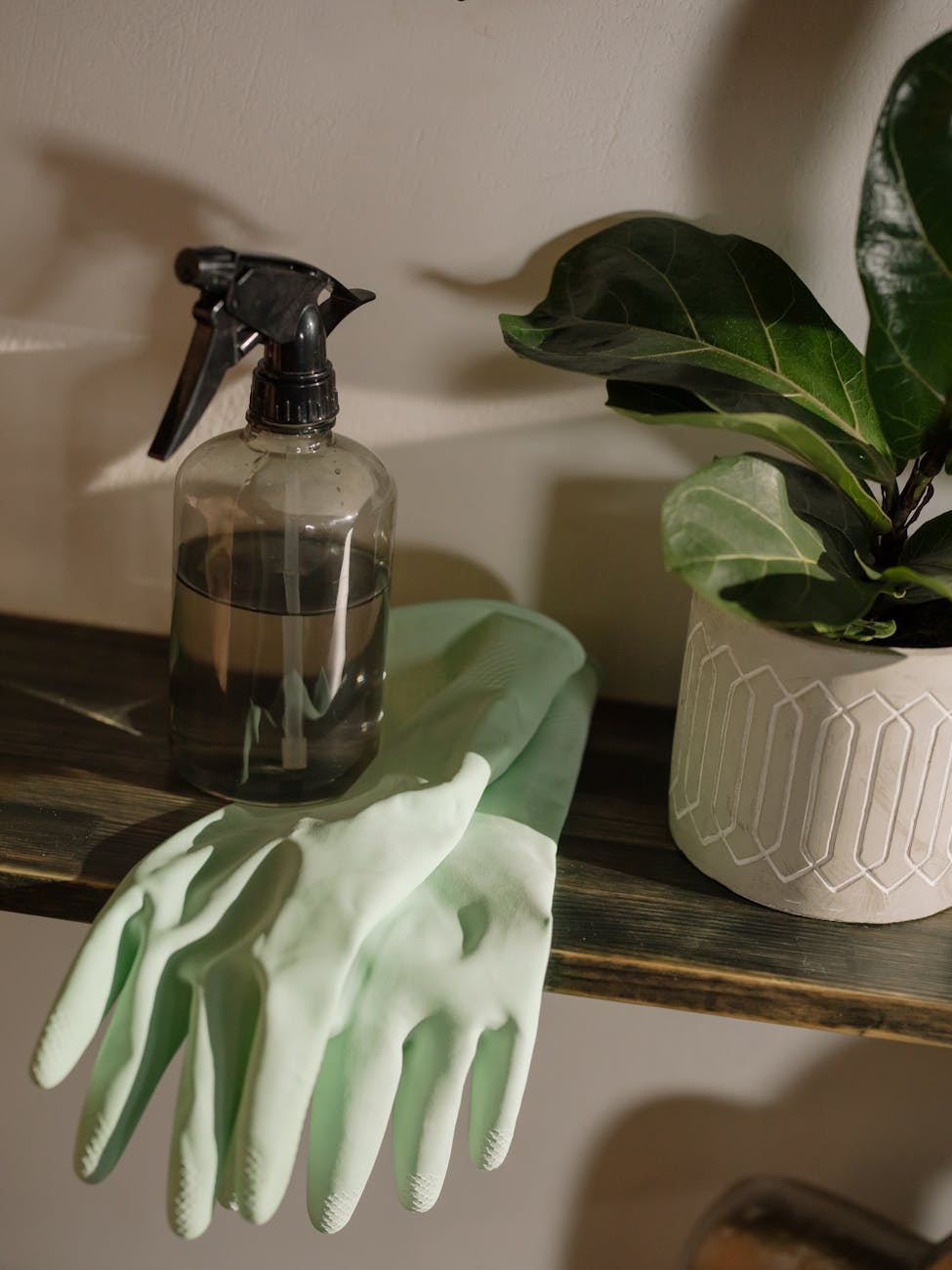
  • Homemade Cleaning Supplies: Eco-Friendly and Budget-Friendly Solutions

    Are you tired of using harsh chemicals in your cleaning routine? Want to make a switch to natural and eco-friendly cleaning materials? Look no further! With just a few simple ingredients, you can make your own cleaning products that are safe for you, your family, and the environment.

    FUN FACT: DIY homemade cleaners are WAY more inexpensive and better for the environment.

    Disclaimer: It is so important to do your own studies after reading information, especially when you decide to create your own DIY cleaning supplies. You do not want to create toxic fumes or an explosion. Before you add, research! Any store bought cleaning product could be toxic if inhaled or absorbed through the skin and so treat your DIY products with the same consideration. Oh, wait – we don’t do we?

    Dish Soap

    Let’s start with dish soap. To make your own natural dish soap, you will need:

    • 1 cup of liquid castile soap (or follow the recommended amount from the manufacturer). Keep in mind, less is better – more can get you into trouble.
    • 1/4 cup of water (Adjust for the quality of water. We boil our water)
    • 1 tablespoon of white vinegar
    • 10 drops of essential oil (such as lemon or lavender). Not essentially essential, but sure smells nice and does contribute to cleaning quality.

    Mix all the ingredients together in a bottle and shake well before each use. This dish soap will cut through grease and grime without the use of harmful chemicals.

    The most I miss is the bubbles, but that becomes so irrelevant once you start feeling the benefits of making your own. You get used to it.

    Floor Cleaner

    Next up, floor cleaner. For a natural floor cleaner, combine:

    • 1/2 cup of white vinegar
    • 1 gallon of warm water
    • 10 drops of essential oil (such as tea tree or peppermint)

    Mix the ingredients in a bucket and use a mop to clean your floors. This solution will leave your floors sparkling clean and smelling fresh. Make sure you check with your particular floor manufacturer on cleaning methods. For example, essential oil may stain a hardwood floor and leave it spotty; *lesson learned.

    Laundry Detergent

    And finally, laundry detergent. To make your own natural laundry detergent, you will need:

    • 1 cup of washing soda
    • 1 cup of borax
    • 1 bar of grated castile soap
    • 20 drops of essential oil (such as eucalyptus or orange)

    Mix all the ingredients together and store in an airtight container. Use 1-2 tablespoons per load of laundry for clean and fresh-smelling clothes. 1-2 tablespoons? It wasn’t until the worldwide lockdown that we were informed we were using too much laundry detergent in order for commercial product to be moved which provided larger profits to the corporations. Yes, we were being lied to.

    Let’s make our own!

    Smelling Better Tip

    But wait, how do you make these cleaning products smell good? Essential oils are the answer! Add a few drops of your favorite essential oil to each recipe to create a delightful scent that will make cleaning a more enjoyable experience. Become mindful of your own recipe and what works for you and your family, the amount of dirt and grime you have, and how each ingredient works or doesn’t with each other. Keep in mind the type of equipment you are using. For example, HE uses less water.

    By making your own cleaning materials without chemicals, you can save money, reduce your carbon footprint, and eliminate harmful toxins from your home. So why not give it a try? Your home and the planet will thank you! So go adventure buddies and with your own research and preferences – become a more informed consumer who demands excellence with as less of ingredients as possible with an arsenal of ingredient preferences that work for you and your household.

    The Adventure Machine

    References/Further Study:

    https://ohsospotless.com/is-homemade-detergent-he-washer-safe/#:~:text=Homemade%20laundry%20detergent%20is%20HE%20washer-safe%20and%20doesn%E2%80%99t,but%20it%E2%80%99s%20free%20from%20harsh%20chemicals%20and%20toxins.

    https://www.thespruce.com/high-efficiency-washer-versus-traditional-washer-1908401

  • Invest in the Future: Create Bold and Adventurous Prints with Water-Based Ink

    Are you ready to take your screen printing game to the next level? If so, it’s time to ditch the oil-based ink and make the switch to water-based ink. Not only will you be saving the environment, but you’ll also be creating prints that are brighter, softer, and more vibrant than ever before.

    Why water-based ink?

    So why should you make the switch? Well, for starters, water-based ink is far more environmentally friendly than its oil-based counterpart. According to Jessica Fletcher with Planet9 Co., water-based ink contains fewer harmful chemicals and solvents, making it a much safer option for both the printer and the planet. Plus, water-based inks are easier to clean up and produce less waste, making them a more sustainable choice overall.

    If you use oil based ink, you can leave the ink on the screen if you have a time pinch. The oil based ink will just sit there and wait for you to continue your project, or reclaim the screens. Water based ink is the opposite. You have to immediately without delay rinse the screen before the ink dries and potentially ruins your screen. This can be both good and not as good – depending on your schedule.

    “To become a more environmentally conscience company and practice sustainability you have to re-think how you do things and acquire better habits that will achieve these goals.” Jessica Fletcher

    Soft, Breathable, Long Lasting

    But the benefits don’t stop there. Water-based inks also offer a softer feel and a more breathable print, making them ideal for printing on garments like t-shirts and hoodies. Water based dyes the garment as oil sits on top. Therefor, water based ink will last as long as the t-shirt does. Oil on the other hand can crack, peel off, and fade over time.

    Quality Over Quantity

    Fletcher explains, “Plastisol – oil based ink – was great starting out as the colors can really stand out on the fabric, being more opaque. You could do larger projects without removing the oil off the screen. But the life of the print is only about 4-5 years which may be longer than “fast fashion” but really we have to be in the mindset to change the way we do things and consume things. One way is to choose quality over quantity, but find new ways to wear the item or repurpose because it can last longer. I guess you have to just love the item for what it represents and the conscience decision to contribute to a more loving, caring world. Water based ink is to me a better investment in the future.”

    So what are we waiting for? Make the switch to water-based ink and start creating or wearing prints that are as bold and adventurous as you are. The planet will thank you for it.

    It’s a lifestyle.

    The Adventure Machine

    References/Further Study:

    https://www.screenprinting.com/blogs/news/plastisol-vs-water-base-ink

    https://screenprintingmag.com/what-is-the-best-ink-for-screen-printing/

  • Transform Your Product Photos: Tips for Irresistible Sales Images

    Do you have a product that you just can’t seem to sell? Are you struggling to capture the attention of potential buyers? Well, fear not, because we have the solution for you! Taking high-quality pictures of your products can make all the difference when it comes to making a sale. With just a few simple tips and tricks, you can transform your product photos from drab to fab, and start raking in those sales.

    First and foremost, lighting is key when it comes to taking product photos. Natural light is always the best option, so try to set up your photo shoot near a window or outside if possible. If natural light isn’t an option, invest in some good quality lighting equipment to ensure your products are well-lit and look their best.

    Next, make sure to use a clean and simple background for your product photos. A cluttered background can distract from the product itself and make it difficult for potential buyers to focus on what you’re trying to sell. A plain white background is always a safe choice, but you can also get creative with colored backgrounds or textured surfaces to add some visual interest.

    When it comes to framing your product photos, make sure to experiment with different angles and compositions to find the most flattering shot. Take close-up shots to highlight the details of your product, as well as full-body shots to give buyers a better sense of scale. Don’t be afraid to get up close and personal with your product – buyers want to see every inch of what they’re potentially purchasing.

    Lastly, editing your product photos can make a world of difference. Use photo editing software to adjust the brightness, contrast, and color balance of your photos to make them pop. You can also remove any blemishes or imperfections from your product to ensure it looks its best.

    Remember, the goal of taking product photos is to showcase your products in the best possible light and make them irresistible to potential buyers. By following these simple tips and tricks, you can take your product photos from mediocre to magnificent and start seeing those sales roll in.

    The Adventure Machine

    References/Further Study:

    https://blog.hubspot.com/marketing/product-photography-tips

    https://www.canva.com/learn/product-photography-guide

    https://fitsmallbusiness.com/product-photography

    https://www.adobe.com/creativecloud/photography/discover/product-photography.html

  • Homemade Butter from Raw Milk: A Celebratory Journey to Wholesome Living

    Making your own butter from raw milk is a beautiful journey back to the basics, a celebration of simplicity and the joy of creating something delicious with your own hands. Let’s dive into this delightful process that connects you with the essence of wholesome living!

    What You’ll Need
    1. Raw Milk. The fresher, the better! Aim for at least a quart.
    2. A jar or a mixer. If you’re feeling traditional, a jar with a lid works beautifully. A stand mixer can speed things up if you prefer.
    3. A strainer or cheesecloth to separate the buttermilk from the butter.
    4. A bowl to catch the buttermilk.
    5. Optional: salt or herb of preference, or none at all.
    Step-by-Step Guide
    1. Let the Cream Rise
    • Begin by allowing your raw milk to sit undisturbed in the refrigerator for 24 hours. During this time, the cream will rise to the top, creating a rich layer that’s perfect for butter-making. This is a moment to savor! Take a deep breath and appreciate the transformation of nature’s gifts.

    2. Skim the Cream

    • Once the cream has risen, gently skim it off the top using a ladle or a spoon. Aim for about 1 to 2 cups of cream. This is where your adventure truly begins!

    3. Churn it up!

    • Pour the cream into your jar or mixer. If you’re using a jar, seal it tightly and shake vigorously. If you’re using a stand mixer, beat the cream on medium speed. This may take anywhere from 10-20 minutes. As you churn, listen for the sound of the cream transforming. It will go from silky to frothy, then to clumpy, and finally to a beautiful golden mass of butter.

    4. Separate the Buttermilk

    • Once the butter has formed, you’ll notice a milky liquid separating from the solids. This is buttermilk! Strain it out using your strainer or cheesecloth, and save it for baking or cooking—it’s packed with flavor.

    5. Wash the Butter

    • To ensure your butter lasts longer, rinse it under cold water. This removes any residual buttermilk, helping it stay fresh. Knead the butter gently under the running water until the water runs clear.

    6. Optional

    • If you want to add a sprinkle of salt for flavor, now’s the time! Mix it in thoroughly, tasting as you go to find your perfect balance. Get creative and add herbs from the garden such as parsley or basil. It’s a mood.

    7. Store and Enjoy

    • Shape your butter into a block or pack it into a jar. Store it in the refrigerator and take a moment to admire your handiwork! Your homemade butter is ready to slather on warm bread, melt over vegetables, or enhance any dish with its creamy goodness.

    It’s So Great!

    What is so great about homemade butter is the achievement of one step closer to self-sustainability. Doing something for yourself that is wholesome without chemicals. Being able to use a glass jar as opposed to eating from horrible plastics. My preference is to purchase raw milk from a local dairy.


    Making butter from raw milk is more than just a culinary task; it’s a journey that envelops you in tradition, nourishment, and creativity. Every step connects you to the earth, the animals, and the simple joys of life. So, gather your family, share this process, and create memories as rich and delightful as the butter you’ve made. Enjoy every awesome bite!

    It’s a Lifestyle

    The Adventure Machine

    References/Further Study:

    https://www.kilnerjar.co.uk/homemade-butter-guide

    https://radiantlifecatalog.com/blog/bid/62956/Homemade-Butter-vs-Store-Bought-Return-of-Nourishing-Traditions

  • Planting a Butterfly Garden: Tips and Tricks for Attracting Beautiful Pollinators

    Are you ready to embark on a colorful and magical journey in your own backyard? Creating a butterfly garden is not only a fun and rewarding project, but it also helps support these beautiful creatures and other pollinators. So, grab your gardening gloves and let’s get started!

    First things first, you’ll need to choose the right seeds for your butterfly garden. Some popular options include milkweed, coneflower, black-eyed susan, and butterfly bush. These plants provide nectar and host plants for butterflies to lay their eggs on. You can find a variety of butterfly garden seed mixes online or at your local garden center.

    Next, consider the size of your garden. A butterfly garden can be as small or as big as you like, depending on the space you have available. Even a small container garden on your balcony or patio can attract butterflies and other pollinators. Just make sure to choose plants that will thrive in your specific growing conditions.

    The importance of butterfly gardens cannot be overstated. Butterflies are not only beautiful to look at, but they also play a crucial role in pollinating plants and maintaining biodiversity. By creating a butterfly garden, you are helping to support these important pollinators and contribute to the health of your local ecosystem.

    If you’re short on time or space, consider making clay seed bombs to plant later. Simply mix together clay, compost, and wildflower seeds, shape into balls, and let them dry. When you’re ready to plant, just toss the seed bombs into your garden or a bare patch of soil and watch them grow into beautiful flowers that attract butterflies.

    Now, when should you plant your butterfly garden? Spring and fall are the best times to plant, as the weather is cool and the soil is moist. Make sure to choose a sunny spot with well-draining soil for your garden. Water regularly, but be mindful not to over water as this can attract pests.

    In conclusion, creating a butterfly garden is a fun and rewarding way to support these important pollinators and add beauty to your outdoor space. Whether you have a large backyard or a small balcony, there are plenty of options for creating a butterfly-friendly garden. So, go ahead and unleash your inner adventurer as you embark on this magical gardening journey.

    The Adventure Machine

    References/Further Study:

  • Rats: Key Players in Ecosystem Balance and Biodiversity

    Imagine a world without rats. It may seem like a utopia to some, but in reality, it would be a catastrophic event for ecosystems around the world. Rats may be seen as pests by many, but they are actually a keystone species that demand respect and admiration for their crucial role in maintaining the delicate balance of nature.

    Rats are highly intelligent and adaptable creatures that have been able to thrive in a wide range of environments, from bustling cities to remote wilderness areas. They play a vital role in ecosystems as both predators and prey, helping to control insect and small mammal populations while also serving as a food source for larger predators.

    One of the most important roles that rats play is as seed dispensers. Rats are known to hoard and bury seeds, helping to spread plant species and promote biodiversity in their habitats. In fact, a study published in the journal Science found that rats are responsible for dispersing up to 10% of all plant species in tropical forests.

    Additionally, rats are crucial in recycling nutrients in ecosystems. They help break down organic matter and turn it into rich soil, which in turn supports plant growth and provides food for other animals.

    Despite their importance, rats are often vilified and persecuted by humans. They are commonly targeted with poisons and traps, leading to declines in their populations and disrupting the delicate balance of ecosystems. In fact, a study published in the journal Conservation Letters found that the decline of rats in urban areas has led to an increase in pest insect populations, causing damage to crops and spreading disease.

    It’s time to give rats the respect they deserve. Instead of viewing them as pests, we should recognize their essential role in maintaining healthy ecosystems and work to protect and conserve their populations. By doing so, we can ensure a more balanced and vibrant natural world for generations to come.

    So next time you see a rat scurrying by, take a moment to appreciate the important role it plays in the web of life. After all, rats are not just pests – they are keystone species that demand our respect and admiration.

    The Adventure Machine

    References/Further Study:

    more following