
When my grandmother was slowly disappearing due to cognitive decline as she aged, I managed to have meaningful conversations regarding our heritage. It was important to me to understand where I came from and now more than ever, I am grateful to learn how much our heritage affects who we are today. With this knowledge, we can work on both our strengths and weaknesses. Grandmothers perpetually seem to have that “aged grandparent aura” – at least mine did, and as my mother aged – both maternal generations evolved more to their native image, especially my grandmother.
Our Heritage Influences Us
I am grateful for my heritage and share my knowledge here. I can’t wait to explore this even more, and realize some of what I do confidently today is subconsciously and without intention is naturally passed down to me – thus we pass down what we know and learn generation to generation, without even meeting our ancestors or being taught what we know through role modeling. We just know. I see this in my gardening techniques, my interest in bee hives and earth styled, natural architecture that considers the surrounding landscape. Living off the land and my draw to nature. The wind to me is spiritual and I can now see my interest in motorcycles or having the windows or top down on vehicles, the release of bad energy as I embrace the wind – much like my ancestors might have done on the plains.
Here is my story:
Caddoan People
The Caddo tribe, also known as the Caddoan people, were a group of Native American tribes that inhabited the southern plains and woodlands of what is now Texas, Louisiana, Arkansas, and Oklahoma. This ancient tribe was known for their agricultural skills, complex social structure, and distinctive cultural practices.
The Caddo people were primarily farmers, growing crops such as corn, beans, squash, sunflowers, and tobacco. They also gathered wild plants and fruits, such as pecans and berries, to supplement their diet. In addition to their plant-based diet, the Caddo tribe also hunted game such as deer, rabbits, and birds, as well as fishing in nearby rivers and streams.
Utilizing Grow Space By Planting In The Front Yard July 26, 2023
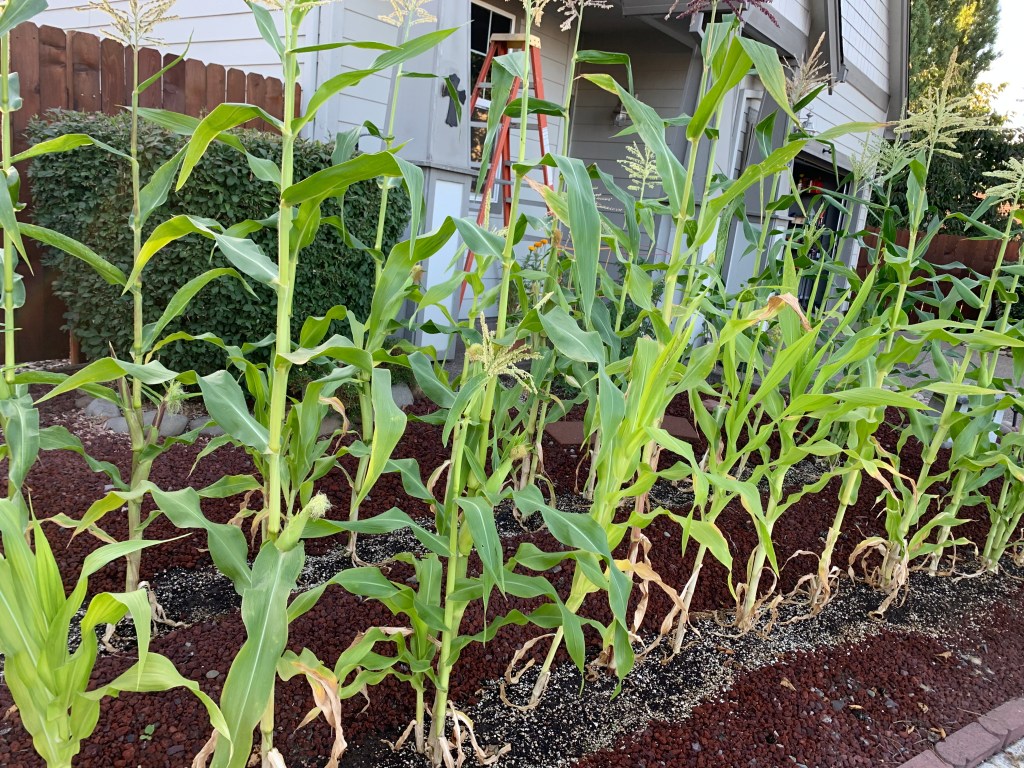
One of the strengths of the Caddo tribe was their agricultural expertise, which allowed them to thrive in the often harsh environment of the southern plains. However, their reliance on farming also made them vulnerable to crop failures and food shortages during droughts or other natural disasters.
The average lifespan of a Caddo person was around 30-40 years old, due in part to the harsh conditions of their environment and the prevalence of disease. Despite these challenges, the Caddo people were known for their strong sense of community, creativity, and resilience.
If your heritage traces back to the Caddo tribe, you may possess traits such as a deep connection to the land, a strong work ethic, and a reverence for nature. In the modern world, a career in agriculture, environmental conservation, or community organizing may align with Caddo values.
The Caddo people were skilled builders, constructing elaborate villages with large earthen mounds, ceremonial centers, and thatched-roof houses. To honor my Caddo heritage, I could create a traditional Caddo pottery piece, such as a decorated clay bowl or vase. Creating a modern looking outdoor vision board, a merge of past and present could become a site of worship and tribute to my ancestral roots.
Pashofa Recipe
One common Caddo recipe is called “Pashofa,” a traditional hominy stew made with corn, beans, and meat. To make Pashofa, simmer hominy, beans, and stew meat in a large pot with water, salt, and pepper until the meat is tender and the flavors have melded together. Serve hot and enjoy this hearty and comforting dish that has been passed down through generations of Caddo people.
The Adventure Machine
Sources/More Research Available:
- “The Caddo Indians: Tribes at the Convergence of Empires, 1542-1854” by F. Todd Smith
- “The Caddos and Their Ancestors: Archaeology and the Caddoan People” by Timothy K. Perttula
- Caddo Indians: Where We Come From by Cecile Elkins Carter
- https://www.texasbeyondhistory.net/tejas/fundamentals/life.html
 The Adventure Machine
Leave a comment