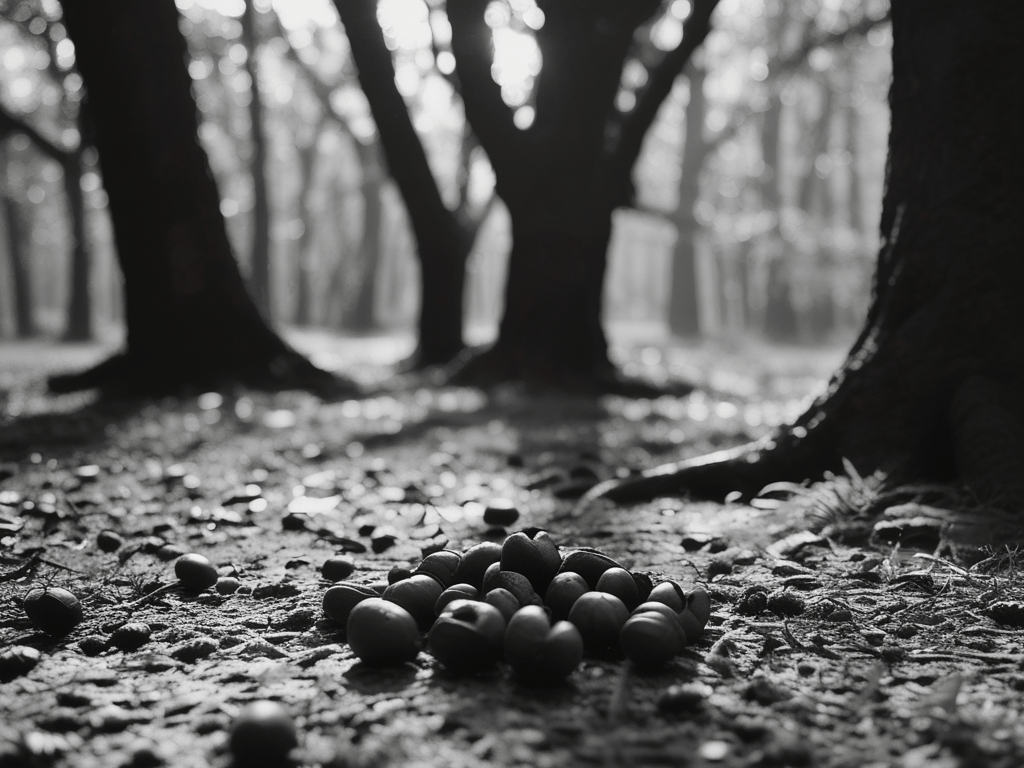
Gathering acorns is an exciting and rewarding experience that will connect you with nature and provide you with a versatile ingredient to use in your cooking. To gather acorns, simply head out to an oak tree-filled area and look for mature acorns that have fallen to the ground. You can collect them by hand or use a small basket or bag to gather them more efficiently.
The humble acorn is a treasure trove of nutritional benefits waiting to be discovered! Packed with protein, fiber, and healthy fats, acorns are a nutritious snack straight from Mother Nature herself.
But not all acorns are created equal. The tastiest and most edible acorns come from oak trees such as the white oak, red oak, and bur oak. These trees produce larger, sweeter acorns that are perfect for roasting, grinding into flour, or simply snacking on while out exploring the great outdoors.
Once you have collected your acorns, you will need to remove the shells and bitter tannins before turning them into flour. Tannins are natural compounds found in plants, fruits, and beverages like tea and wine. They are responsible for the bitter and astringent taste in certain foods and drinks. Some people believe that tannins have health benefits, such as antioxidant properties and potential anti-inflammatory effects. However, it’s important to note that consuming too many tannins can sometimes lead to digestive issues or interfere with nutrient absorption.
To remove the tannins, crack the shells open with a nutcracker or hammer and then soak the acorn pieces in water for a few hours, changing the water several times to remove the bitterness. Once the acorns have been cleaned, you can dry them out and grind them into a fine flour using a food processor or blender.
Do you want to be a pioneer and grind by hand? Grab a large mortar and pestle or a sturdy wooden bowl and a heavy rolling pin. Place a handful of shelled acorns in the mortar or bowl and start pounding away with the pestle or rolling pin. Get those arms working and imagine you’re back in the days of our ancestors, grinding acorns for sustenance.
Many Native American tribes, such as the Miwok, Pomo, and Cherokee used acorn flour as a staple in their diets. They would gather, process, and store large quantities of acorns to use throughout the year in a variety of dishes.
The best time to forage for acorns is in the crisp, cool days of early autumn when the leaves are just starting to turn fiery shades of red and gold. Venture out into the woods and listen for the satisfying crunch of fallen acorns underfoot. Feel the thrill of the hunt as you scan the forest floor for the perfect acorns, plump and ripe for the picking. Embrace the spirit of adventure as you gather these treasures of the forest, ready to be roasted and enjoyed as a delicious autumn snack. So gear up, grab your basket, and set out on a foraging expedition for acorns that will leave you feeling truly alive and connected to the natural world.
Acorn Pancakes
One delicious recipe using acorn flour is acorn pancakes. Simply combine 1 cup of acorn flour, 1 cup of regular flour, 2 teaspoons of baking powder, 1/2 teaspoon of salt, 2 tablespoons of sugar, 1 egg, and 1 cup of milk in a bowl to make the pancake batter. Cook the pancakes on a hot griddle until golden brown and serve with your favorite toppings.
Acorn Cookies
Now, onto a delicious recipe for acorn cookies! To make these tasty treats, mix 1 cup of acorn flour with 1 cup of regular flour, 1/2 cup of sugar, 1/2 cup of butter, 1 egg, and a pinch of salt. Roll the dough into small balls, place them on a baking sheet, and bake at 350°F for 10-12 minutes. Enjoy the nutty flavor of these unique cookies!
Storing Acorn Cookies and Acorn Flour
Storing acorns and acorn flour can be a fun and rewarding experience! To store acorns, make sure they are fully dried out and then place them in a breathable container, such as a paper bag or a mesh bag, in a cool, dark place. For acorn flour, store it in an airtight container in the refrigerator to keep it fresh for longer.
Remember to always gather acorns responsibly and sustainably, respecting the environment and the creatures that rely on acorns for food. Be sure to only collect acorns from fallen trees or branches, rather than picking them directly from the tree. Additionally, avoid over-harvesting in one area to ensure the ecosystem remains healthy and balanced. So grab your basket and head out on an acorn-gathering adventure, all while being mindful of the environment!
Enjoy the process of gathering and processing your own acorn flour and savor the unique flavor and history that it brings to your dishes.
The Adventure Machine
Sources/More Research Available:
– “Acorn Flour: A Nutty Way to Cook” by Leda Meredith, The Spruce Eats
– “How to Gather, Process, and Enjoy Acorns” by Hank Shaw, Hunter Angler Gardener Cook – https://foodprint.org/real-food/acorns/
 The Adventure Machine
Leave a comment