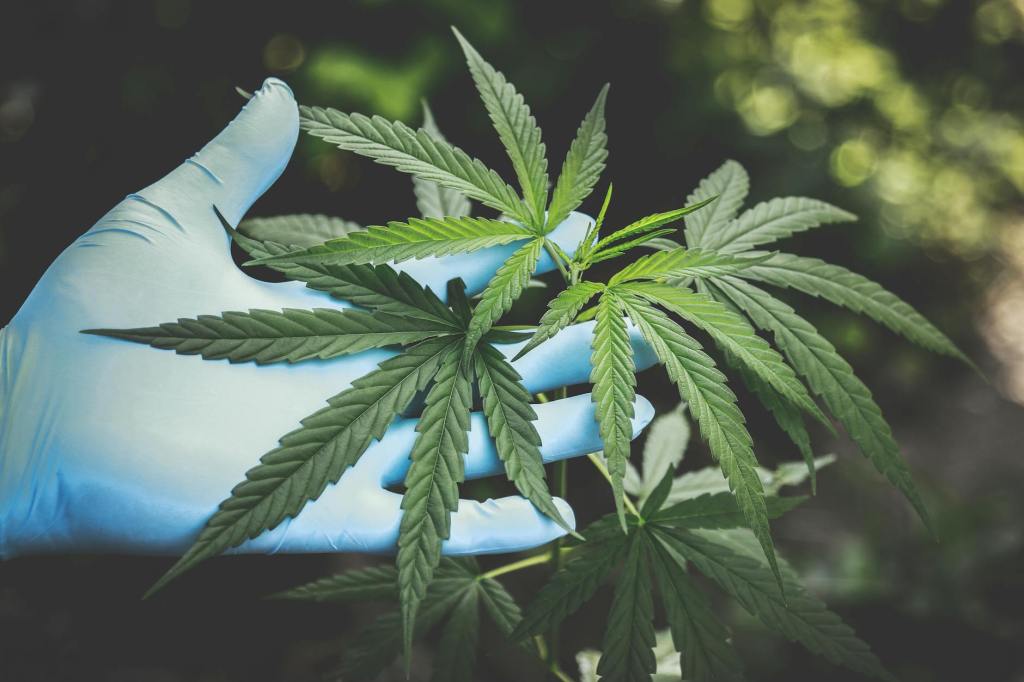
Hemp has long been touted as a sustainable and eco-friendly alternative to traditional textiles like cotton. Known for its durability and breathability, hemp has been used in clothing for centuries. However, as the demand for hemp clothing grows, concerns have been raised about the chemical processes involved in transforming raw hemp fibers into wearable textiles.
One of the main pitfalls of using hemp in clothing is the chemical alteration it undergoes during processing. Hemp fibers are typically treated with harsh chemicals such as caustic soda and bleach to soften and whiten them, making them more suitable for use in clothing. These chemical processes not only have a negative impact on the environment but also compromise the eco-friendly reputation of hemp as a textile.
According to a study published in the Journal of Cleaner Production, the chemical processes involved in turning raw hemp fibers into textiles can have a significant environmental impact. The study found that the production of hemp textiles involves high energy consumption, water usage, and the release of harmful chemicals into the environment. This goes against the sustainable ethos of using hemp as a green textile.
Furthermore, the chemical alteration of hemp fibers can also have negative effects on the health of workers involved in the production process. Exposure to caustic soda and bleach can cause skin and respiratory problems, leading to long-term health issues for factory workers.
In addition to the environmental and health concerns, the chemical alteration of hemp fibers also affects the overall sustainability of hemp clothing. By using harsh chemicals in the production process, the end product is no longer as eco-friendly as it was originally perceived to be. This raises questions about the true sustainability of hemp clothing and whether it can truly be considered a green textile.
As consumers become more conscious of the environmental impact of their clothing choices, it is important to be aware of the pitfalls of using hemp in clothing. While hemp may have many benefits as a sustainable textile, the chemical processes involved in its production can negate its eco-friendly qualities. It is crucial for manufacturers to find more environmentally friendly ways to process hemp fibers and for consumers to make informed decisions about the clothing they choose to purchase.
In conclusion, while hemp clothing may seem like a sustainable choice, it is important to consider the chemical processes involved in its production. By being aware of the pitfalls of using chemically altered hemp in clothing, we can make more informed decisions about the sustainability of our wardrobe choices.
The Adventure Machine
References/Further Study:
https://www.britannica.com/plant/hemp
https://www.greenmatters.com/p/hemp-fabric-advantages-disadvantages









 The Adventure Machine