
Are you ready to embark on a thrilling treasure hunt in search of the elusive gold? Well, grab your gear and get ready to learn the art of panning for gold! This exciting activity is not only a great way to spend time in nature but also a potential way to strike it rich. So, if you’re a beginner looking to try your hand at gold panning, here’s everything you need to know to get started.
First things first, you’ll need the right equipment to successfully pan for gold. The most essential tool you’ll need is a gold pan. When choosing a gold pan, opt for a plastic pan with riffles along the side. These riffles help trap the gold as you sift through the sediment. Additionally, a pan with a wide base and shallow sides is ideal for beginners, as it makes it easier to see and collect the gold.
In addition to a gold pan, you’ll also need a few other tools to aid in your gold panning adventure. A classifier or sieve is essential for sifting through the sediment and separating the larger rocks and debris from the finer material that may contain gold. A snuffer bottle or tweezers are handy for picking up small gold flakes, while a small shovel or trowel can help you dig into the sediment.
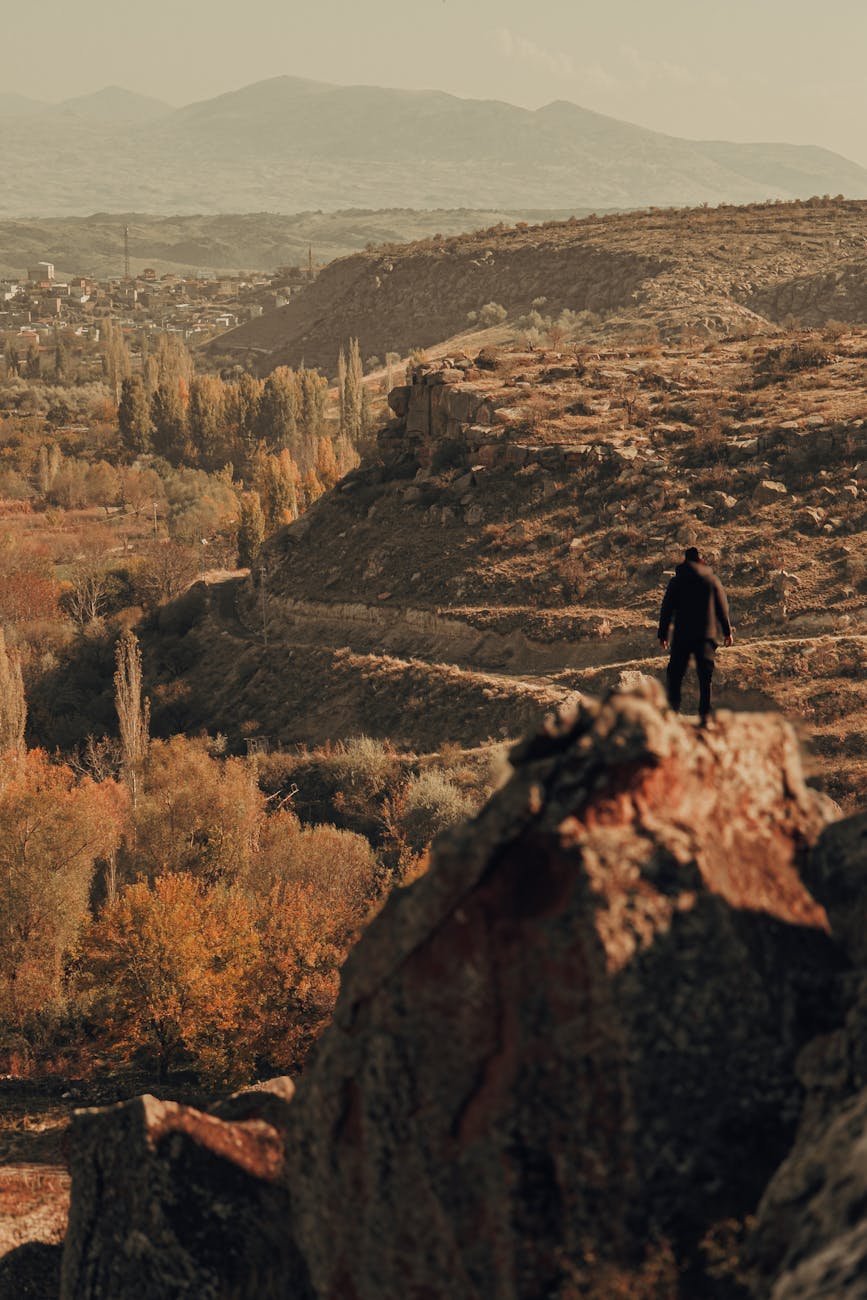
Now that you have your gear ready, it’s time to head out to the best areas for gold panning. Some of the best places to pan for gold include rivers and streams with a history of gold deposits. Popular gold panning locations include the American River in California, the Fraser River in British Columbia, and the Rogue River in Oregon. These areas are known for their rich gold deposits and are frequented by seasoned prospectors and beginners alike.
While gold panning can be an exhilarating experience, it’s important to be aware of the pros and cons of this activity. One of the pros of gold panning is the thrill of potentially finding valuable gold flakes or nuggets. It’s also a great way to spend time outdoors and connect with nature. However, one of the cons of gold panning is that it can be time-consuming and physically demanding. It also requires patience and a keen eye for spotting gold amidst the sediment.
My mother was a huge fan of gold panning in her life and it brought her a lot of joy. I have numerous former acquaintances through work that actually were successful in panning and finding gold, enough to replace any overtime work. But putting the thrill aside of the potential of finding gold, it is a wonderful activity to be out in nature. Being around a healthy, pure running water source and absorbing the nature embracing you – this is what it is all about. Maybe you will find some gold, or maybe a wonderful rock for your collection. But the biggest find will be the experience, creating another good memory for your book of life.
In conclusion, gold panning is a fun and exciting activity that can lead to the discovery of valuable gold. With the right equipment and a sense of adventure, beginners can try their hand at panning for gold in some of the best locations around the world. So, grab your gear, head out to the rivers and streams, and start your gold panning journey today!
The Adventure Machine
References/Further Study:




 The Adventure Machine