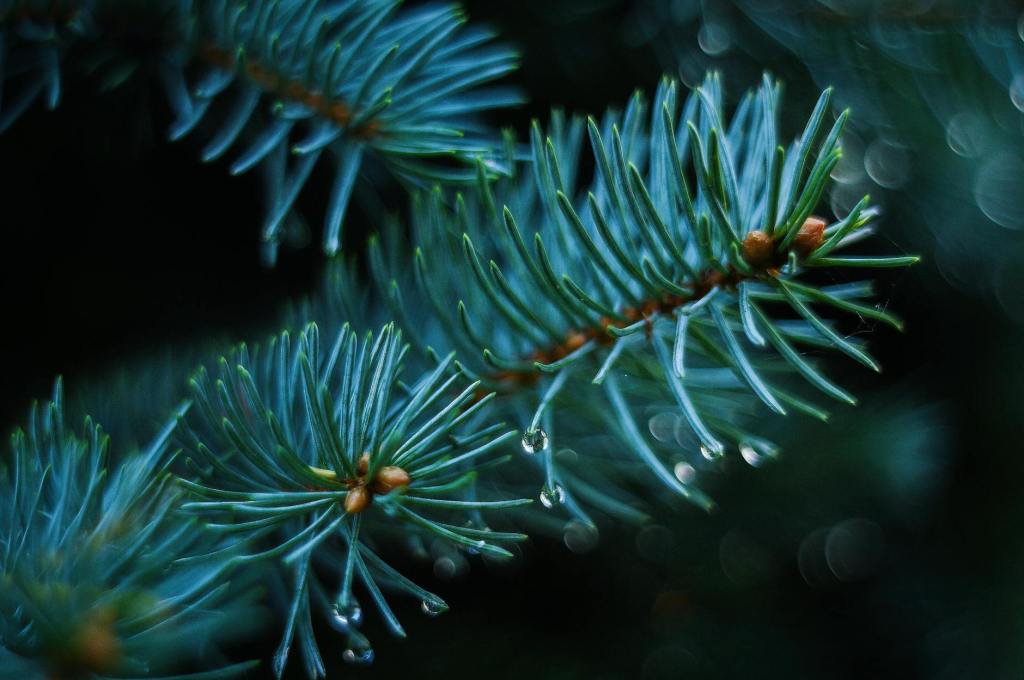
Pine needle tea – the drink of choice for adventurers and outdoor enthusiasts alike. But did you know that besides its refreshing taste, pine needle tea also boasts a myriad of health benefits? From boosting immunity to aiding digestion, this humble beverage is truly a powerhouse of wellness.
One of the key benefits of pine needle tea is its high vitamin C content. Pine needles are known to contain more vitamin C than oranges, making it a great natural remedy for colds and flu. Additionally, pine needle tea is also rich in antioxidants, which help to fight off free radicals and reduce inflammation in the body.
Location
But where is the best place to gather pine needles for this magical brew? The answer lies in the great outdoors, of course! Pine trees can be found in abundance in forests, parks, and even in your own backyard. When foraging for pine needles, be sure to choose healthy, green needles from young trees as they tend to have a milder flavor and higher nutrient content.
If you’re not sure where to start your pine needle gathering adventure, consider heading to a national park or forest where pine trees are plentiful. Places like the Rocky Mountains or the Pacific Northwest are great spots to find an abundance of pine trees and gather fresh needles for your tea.
We feel pretty fortunate to have 80 acres filled with majestic pine trees, readily able and willing to give up excess needles. The aroma is simply wonderful and can’t be beat when you consider the effects of store bought fluoride laden tea we thought was so great for us in the past.
With all foraging, research before you pick. There are many varieties of pine trees and not all are edible. Visit the links provided and make sure to educate yourself fully before consumption. Consult a licensed Naturopathic Doctor for further information regarding natural foods and your health.
Time
The best time to gather pine needles for tea is in the spring or early summer when the needles are young, tender, and packed with nutrients. During this time, the needles are vibrant and have a higher concentration of essential oils, which enhances the flavor and health benefits of the tea.
Avoid harvesting in the fall or winter as the needles can become tough and lose some of their potency. Always ensure you’re gathering from healthy trees and avoid areas that may have been treated with pesticides or other chemicals.
When harvesting pine needles, be sure to use a pair of sharp scissors or pruning shears to snip off the needles from the tree. Aim to gather only a small amount from each tree to ensure the health and sustainability of the forest ecosystem.
Brew
Once you have gathered your pine needles, it’s time to brew up a delicious cup of pine needle tea. Simply steep a handful of fresh needles in hot water for 5-10 minutes, strain, and enjoy the earthy, citrusy flavor of this ancient elixir.
So next time you’re out exploring the great outdoors, keep an eye out for those majestic pine trees and remember the health benefits that their needles can provide. Happy foraging, adventurers!
The Adventure Machine
References/Further Study:
https://www.webmd.com/diet/what-to-know-pine-needle-tea
 The Adventure Machine
Leave a comment