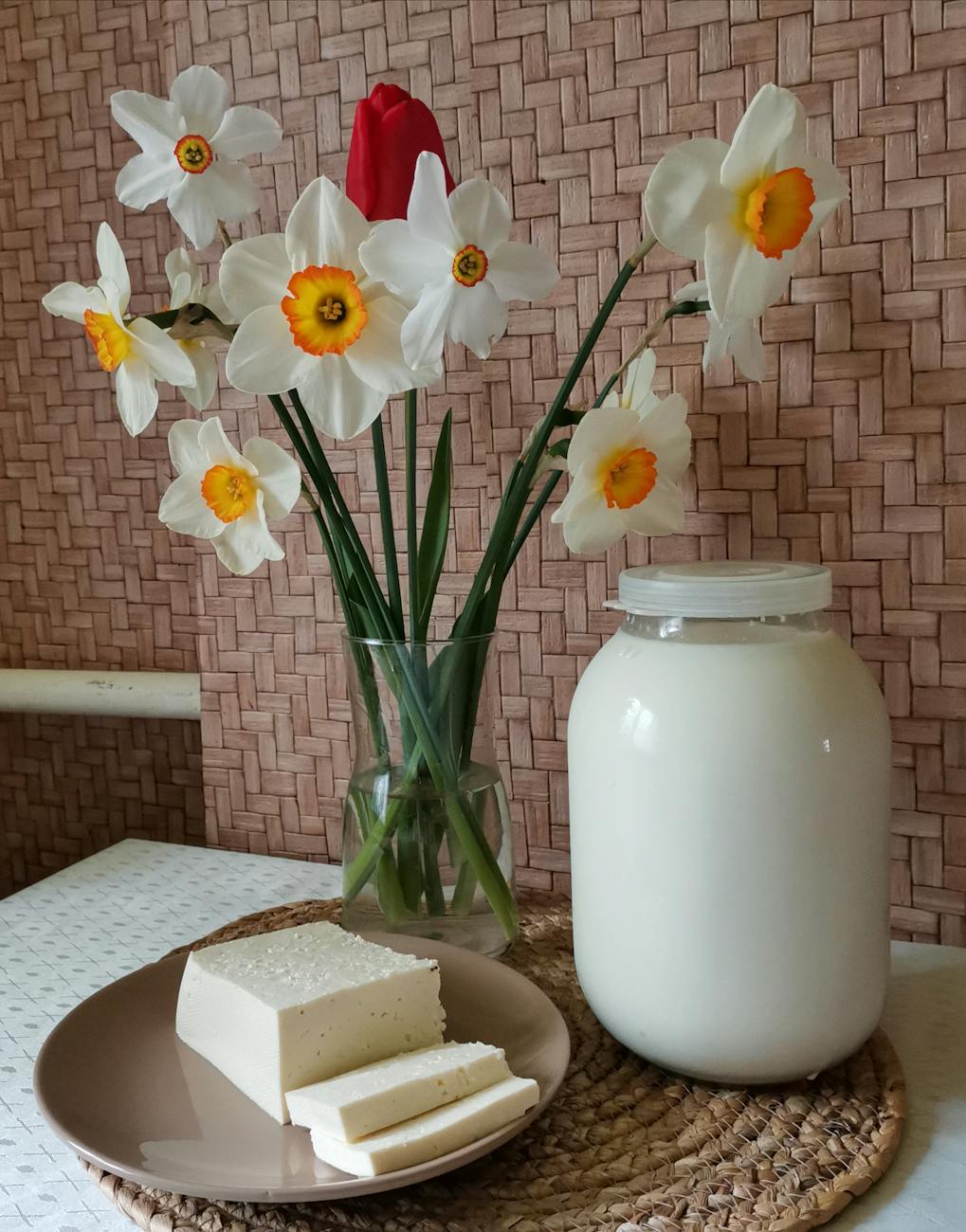
Cheese lovers, rejoice! Not only is cheese delicious, but it also comes with a myriad of health benefits. From boosting bone health to improving digestion, cheese is truly a superfood in its own right. So, grab your cheese knife and get ready to indulge in some cheesy goodness!
One of the many benefits of cheese is its high calcium content, which is essential for maintaining strong and healthy bones. This is especially important as we age, as our bones tend to weaken over time. By incorporating cheese into your diet, you can help prevent osteoporosis and other bone-related conditions.
In addition to calcium, cheese is also a great source of protein and other essential nutrients such as vitamin B12 and zinc. Protein is essential for muscle growth and repair, while vitamin B12 is important for nerve function and energy production. Zinc, on the other hand, is crucial for a healthy immune system.
But perhaps the most surprising benefit of cheese is its probiotic properties. Certain types of cheese, such as aged cheeses like cheddar or gouda, contain probiotic bacteria that can help improve digestion and boost gut health. This can lead to better nutrient absorption, reduced inflammation, and improved overall health.
Now, if you’re feeling adventurous and want to take your love for cheese to the next level, why not try making your own cheese at home? With just a few simple ingredients and a little bit of patience, you can create your very own delicious cheese using raw milk.
Here’s a simple recipe for homemade cheese using raw milk:
Ingredients:
– 1 gallon raw milk
– 1/4 cup white vinegar
– 1 tsp salt
– Cheesecloth
Instructions:
1. Heat the raw milk in a large pot over medium heat, stirring occasionally to prevent scorching.
2. Once the milk reaches 180°F, remove it from the heat and stir in the white vinegar. Let the mixture sit for 10 minutes.
3. Line a colander with cheesecloth and place it over a large bowl. Pour the curdled milk mixture into the colander, allowing the whey to drain out.
4. Sprinkle the salt over the curds and gently mix it in with your hands.
5. Gather the cheesecloth around the curds and press out any excess liquid.
6. Place a weight on top of the cheesecloth-wrapped curds and let it sit for 1-2 hours to press out more whey.
7. Unwrap the cheese and transfer it to a container. Store it in the refrigerator for at least 24 hours before enjoying.
Want to try your hand at making mozzarella cheese? Try this recipe:
- 1 gallon of raw milk
- 1/2 teaspoon citric acid
- 1/4 teaspoon liquid rennet
- 1/4 cup water
- 1 teaspoon cheese salt
Instructions:
- In a large pot, heat the raw milk to 55°F.
- Dissolve the citric acid in water and add it to the milk, stirring gently.
- Heat the milk to 88°F and add the liquid rennet diluted in water, stirring for 30 seconds.
- Let the milk sit undisturbed for 5-10 minutes until a curd forms.
- Cut the curd into 1-inch cubes and heat the mixture to 105°F, stirring gently.
- Remove the curds from the whey using a slotted spoon and knead the curds until smooth.
- Shape the mozzarella into balls, sprinkle with cheese salt, and enjoy!
So, whether you’re a cheese connoisseur or just a casual cheese lover, there’s no denying the many benefits of incorporating cheese into your diet. And with a little bit of creativity and a willingness to experiment, you can even try making your own homemade cheese using raw milk. So go ahead, indulge in some cheesy goodness and reap the rewards of this delicious and nutritious superfood!
I do love my cheese.
The Adventure Machine
References/Further Study:
https://culturesforhealth.com/blogs/learn/cheese-reasons-to-make-your-own-cheese
https://www.thecheesemaker.com/blog/5-simple-reasons-why-cheese-making-is-worth-it
https://www.thecheesemaker.com/blog/is-diy-cheese-making-safe-facts-stats-and-the-truth
https://www.beprepared.com/blogs/articles/cheese-making-101-a-basic-guide
 The Adventure Machine
Leave a comment